
Base Recipe:
For 6 Servings plus leftovers;
(items in parentheses are optional):
(2 lbs. meat)
1 lb. onions
1 to 6 cloves garlic
3 Tablespoons fat
(1 lb. vegetables)
(1 lb. dry beans)
3 to 6 Tablespoons chili powder
(1 to 2 Tablespoons standard spices)
(1 to 2 teaspoons aromatic spices)
(thickener)
2 quarts liquid
(1 to 3 Tablespoons acid)
(starch substrate)
(your favorite condiments)
–Soak beans overnight in plenty of water;
–In a pot big enough to hold everything and then simmer for hours, brown the meat in 2 Tbsp. fat;
–Fry the chili powder and spices (and flour if used as thickener) with the browned meat for about 30 seconds, then set meat/spices aside;
–Add remaining 1 Tbsp. fat to pot and saute the onions over medium heat, scraping the meat/spice fond from the bottom and sides of the pot, until the onions achieve the desired shade of brown;
–Add chopped garlic and any vegetables to sweat until heated through;
–QUICK CHILI: Add soaked beans and liquid and simmer until the beans are cooked (1 to 2 hours);
–FULL CHILI: Add liquid, simmer 2 hours to soften the meat, add soaked beans and continue simmering until beans are done (1 to 2 hours);
–Serve over your favorite starch substrate with your favorite condiments
——–
NOTES:
For many years, on New Year’s Day, following the lead of my Father in some ways but heading in my own direction too, I’ve cooked chili. Lots of chili. I’ve tried many recommended recipes, but over time I’ve figured out that the very best way to do it is to find THE BEST ingredients that could go into a chili, and then create a new recipe around that. This year, in 2010, I made chili verde because we grew tomatillos in our garden and had frozen some at the end of the season; and I made a dark chili using beef heart and home grown beans. Both were outstanding, especially with a splash of Navarro verjus just before serving (see “ACID” below).
Let’s face it, more than almost any other meal, “chili” as a recipe is much more of a concept than a specific dish. Any recipe that ostensibly originates as a one pot dish from the Hispanic Southwest US (chili con carne = meat and pepper stew), yet has famous versions in Cincinnati (without chili powder!), New York, and Los Angeles, is inherently mutable.
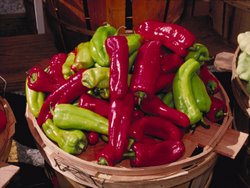
That said, it’s still got a specific personality: a stew made in one pot that has meat and/or beans in it, and it should feature the namesake ingredient — Capsicum annuum — in one, several, or all of its glorified forms (sorry Cinci). And that’s pretty simple in concept: fry some meat, add spices, add onions and veg, add stock and beans, let bubble, and you’re done. It being that simple, there are millions of variations, all of them inevitably labeled “The Best…” or “The Ultimate…” or even “Traditional/Original/Authentic…”
Continue reading
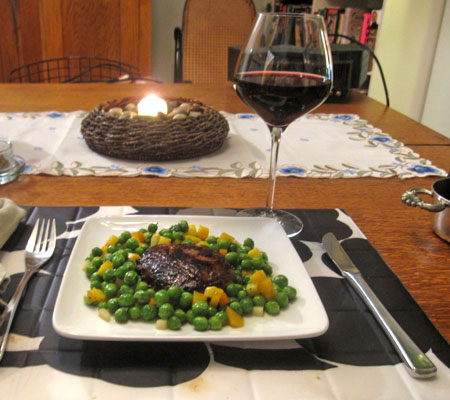


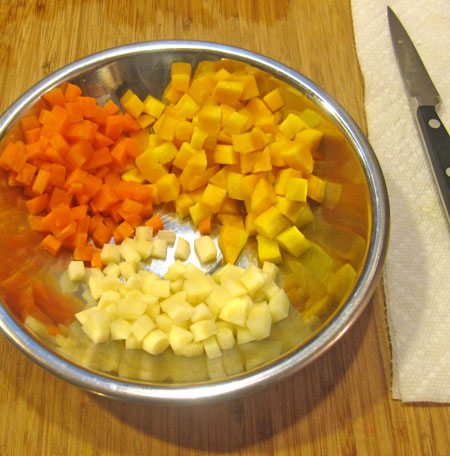
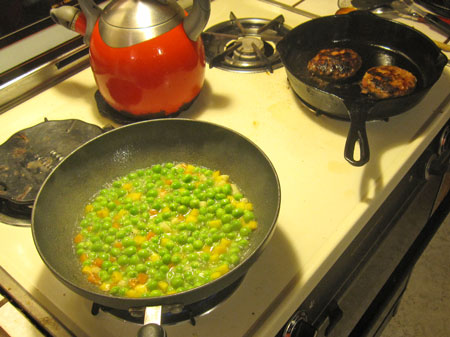
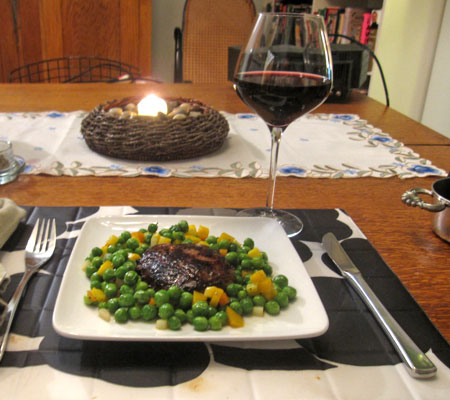
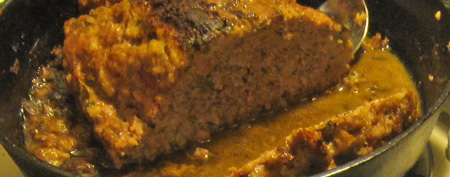 This meatloaf was published in the New York Times Magazine in July, 2009 and called Fancy Meatloaf for Nora Ephron. It looked good enough to make and Sam Sifton’s story made it even more intriguing. I belatedly got around to making it recently. I’ll let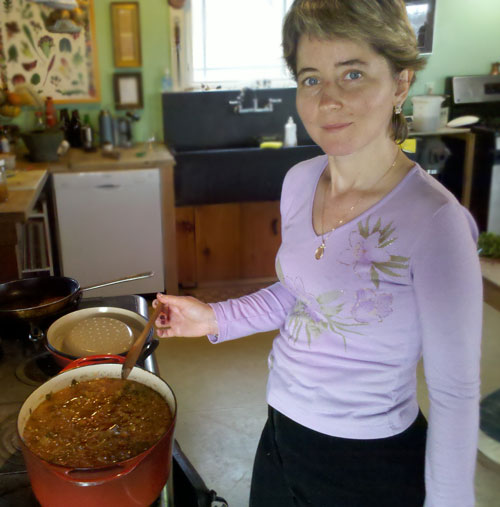







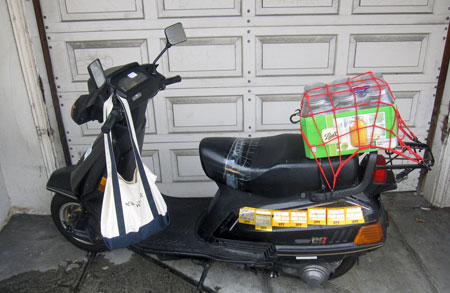
 Monday, I went into tomato canning anxiety — the canning kettle package urged use of the Ball recipes and procedures for canning and preserving. It’s not like home canning is a mystery, but I’ve never done it before, thus, read research and generally go into paralysis by analysis. And I couldn’t start canning and have to finish after the Giants game started at 4:58pm. But Monday wasn’t a total waste. I made a trial quart of peeled Early Girls to see how they fit in the jar. Having experienced that, I made juice with those tomatoes. It tasted pretty good, but that’s a lot of work for tomato juice to drink with breakfast.




 October 1, Frankfurt Airport

 eats for one